Filteredwaterguide.com is supported by readers. If you purchase through referral links on our site, we make a commission at no extra cost to you. Learn more.
For many people, purchasing a water softener is one of their most significant investments.
These systems are necessary for testing and the treatment of hard water in your area.
However, if homeowners need one and don’t have the funds, then a water softener rental might be the best solution. That way, there isn’t any upfront cost when you want to reap the benefits of this system.
That leads many to wonder if renting is the best option for them.
For those who are still on the fence regarding buying or renting a water softener, we can help you decide if this is the best choice.
Also Check Out: Water Softener Reviews and Buying Guide
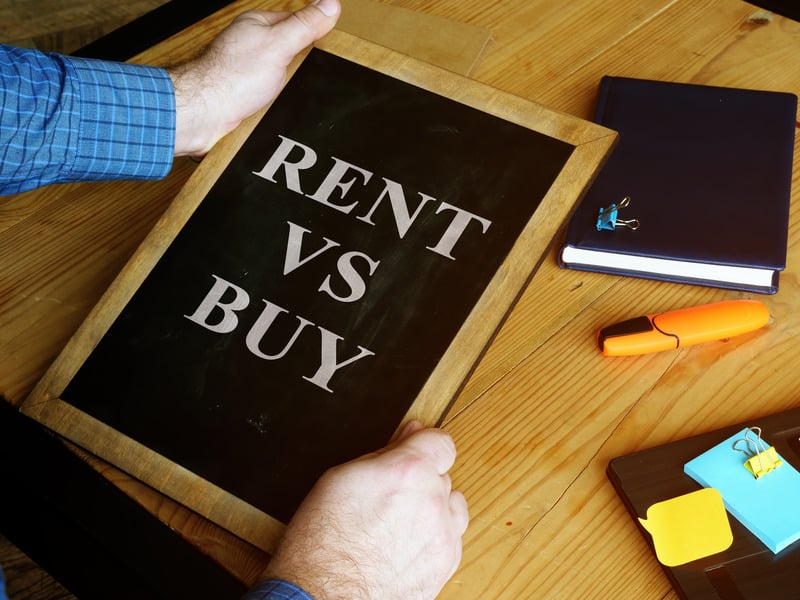
Before deciding if a water softener rental is the best option, consider the following regarding renting vs buying:
When researching the price of renting a water softener, the first thing you’re going to notice is that rental rates vary from company to company. These prices also vary depending on the model you select. So, be sure to spend a little bit more time looking at which models are available to rent and which might be a good option for a rent to own plan.
However, it’s still possible to get a ballpark figure. For example, if you decide to choose a system from Culligan, their rentals start at $25 per month. You can also find water softener rentals from Water Doctor Plus starting at $9.95 per month for the first 90 days (it’s $29.95 after that).
Rent-to-own plans give potential buyers the option to “try it before you buy it” for a water softening system. You can find plans like these through companies like Culligan and Passaic Bergen Water Softening.
Renting a water softener has many benefits, especially if you have hard water and want to prevent it from damaging your appliances. Renting is also advisable for those who aren’t sure they’re ready to make this kind of financial commitment.
If it isn’t a good time financially for you to purchase a new system, consider the following benefits of rental water softeners:
Just like there are many benefits to rent a water softener, there are also some downsides. Even though it might seem like a better option because you’re paying a low monthly fee, there are drawbacks to this option. Consider the following rental water softener downsides before making your decision:
Just like when deciding if it’s best to rent a system, there are also varying costs regarding buying a new water softener. For example, an ion-exchanger that uses salt to solve hard water issues range between $400 and $1,000 for a basic system. Installing this system ranges between $100 and $500 depending on the equipment used and if new water piping is needed.
If you live in a larger home, those units range can cost up to $2,500, including installation. However, depending on the options you choose, these systems can also cost up to $10,000. If you want a less expensive model, then you’ll have to work on recharging the brine periodically.
Over a short period of time, it’s more cost-effective to purchase a water softener. While you can opt for a long term rental to solve your hard water issues, you might not save as much money. Here are some benefits to buying a water softener:
Even though solving your hard water issues is a priority, there are still some downsides to buying compared to renting. For example, a rental features low monthly payments, and a purchase requires a lump sum. Here are a few drawbacks that you should consider before making a buying decision:
People use a rent to own plans for a variety of reasons. For those who don’t want to or don’t have enough money to buy a water softener, this type of plan is an ideal solution. Rent to own means you’re using a water softener without paying a significant amount of money upfront.
Renting to own requires you to sign a contract with your name email and other contact information stating that you don’t own the system until it’s paid off completely. If you miss payments, that agreement stipulates that the company can pick up the unit and charge you a late fee. Owning the system requires on-time payments for the duration of the plan.
Remember that, if you’re considering choosing this type of plan, it might come at a higher cost. However, some rental companies have special programs whereby they reimburse customers for rental fees if a purchasing decision is made. Your best option is to make a phone call to the dealer to see if this is an option.
Before making a buying decision, spend some time looking at the unit’s quality and lifespan. Please take into consideration how often you’re using water for washing dishes and clothes, as well as during showers. In addition to ensuring the unit is going to provide years of filtration for your family, it also needs to last.
Factors that you should consider when researching if you should get a rental or buy one outright include costs, if you’re living in an apartment, if you plan to move, have enough space, and plan to use the system. Often, purchasing these systems means you submit your name, email address, zip code, and other contact information on a form available on a dealer website to receive guarantees and warranties.
If you can afford it, buying is better than renting. You’ll find this reality is especially true if you’re living in an apartment or home for longer than six months time.
See our best water softeners for iron removal & hardness-causing minerals here.

David is an expert in all things plumbing, heating, cooling, and water treatment. He got his start in the plumbing business working on fixing all types of home improvement issues including water leaks, broken toilets, appliance installation, and more. Over time, he learned a ton about installing and choosing the correct water treatment products for homeowners.
15657 N Hayden Rd #1162
Scottsdale, AZ 85260
United States
602-780-2598
© Filtered Water Guide
Filtered Water Guide is a participant in the Amazon Services LLC Associates Program and other partner programs, which are affiliate advertising programs designed to provide a means for sites to earn advertising fees by referring users to merchant stores.