
Filteredwaterguide.com is supported by readers. If you purchase through referral links on our site, we make a commission at no extra cost to you. Learn more.
How to Clean a Water Softener
Installing a whole home water softener can make a world of difference in the quality of your water. However if you want your water softener to last and run as efficiently as possible you need to take the proper steps to maintain and clean your water softener.
Table of Contents
- Signs the Water Softener Needs to be Cleaned
- Cleaning Frequency
- Why It’s Important to Clean the Softener’s Brine Tank and Resin
- How to Clean the Resin Bed
- How to Clean the Brine Tank
- How Do You Tell if a Water Softener Resin is Bad and Needs to be Replaced?
- Does a Non-Salt Softener Have Resin?
- How to Dispose of Resin
- How Often Should You Clean the Water Softener Brine Tank?
- Conclusion
Signs the Water Softener Needs to be Cleaned
Water softeners are pretty robust devices, but like most other household components they do need occasional maintenance. Common signs indicating it’s time for a cleanup include:
- Changes in water quality, like water spots on dishes.
- Noticeable decrease in water pressure.
- The water feels harder than usual.
- The softener uses more salt than usual or none at all.
Cleaning Frequency
The frequency of cleaning depends on the quality of your water and the amount of water your household consumes. However, as a general rule of thumb, inspecting and cleaning your water softener every six to twelve months is a good practice.
Why It’s Important to Clean the Softener’s Brine Tank and Resin
The brine tank and resin are critical components of a water softener. Over time, impurities and minerals can accumulate, hindering the ion-exchange process that softens your water. Regular cleaning ensures the system operates efficiently, providing consistent soft water.
If your softener system is running well water the importance in staying on top of cleaning your system will be paramount, as iron fouling in both the resin as well as the brine tank will be much more prevalent.
Keep Reading: How Does a Water Softener Work
How to Clean the Resin Bed
- Turn off the water softener and bypass the system.
- Manually start a regeneration cycle to relieve any pressure.
- Drain the tank.
- Add a commercially available resin cleaner to the brine tank.
- Run another regeneration cycle to flush the cleaner through the system.
- Return the softener to service.
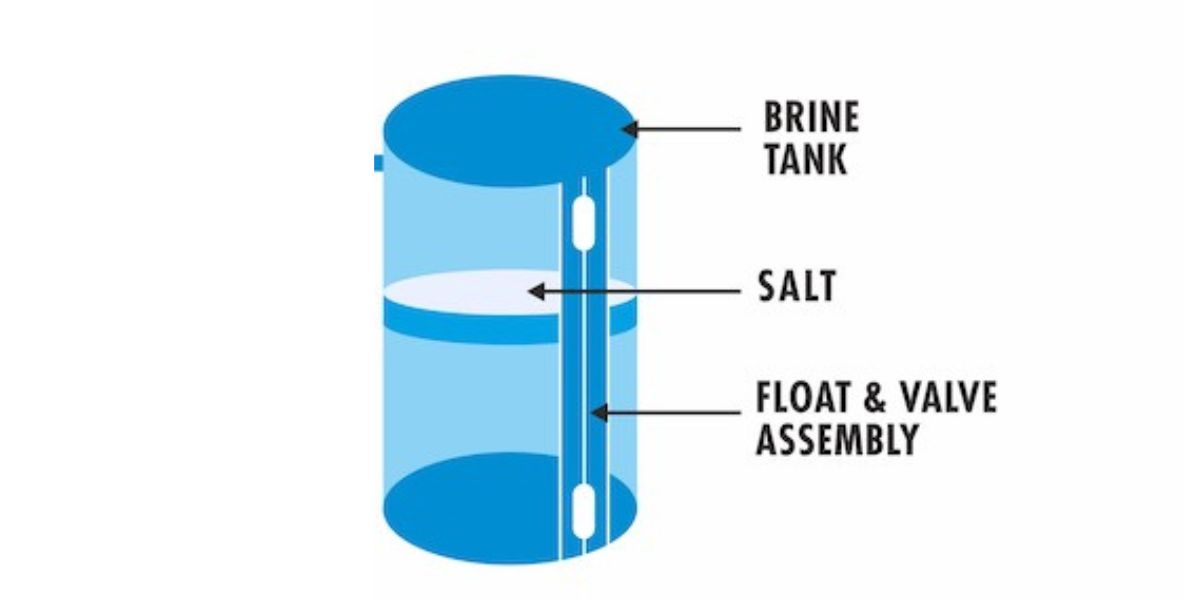
How to Clean the Brine Tank
- Turn off the system and disconnect the tank.
- Remove any remaining salt or brine solution.
- Scrub the inside with soapy water.
- Rinse thoroughly and let it dry.
- Refill the tank with salt, ensuring to add water until it covers the salt.
How Do You Tell if a Water Softener Resin is Bad and Needs to be Replaced?
Over time, resin beads may deteriorate or get fouled. If, after cleaning, you still experience hardness issues or your system regenerates more frequently than usual, it might be time to replace the resin. Cracked, broken, or discolored beads are clear indications of wear.
Does a Non-Salt Softener Have Resin?
Yes, many non-salt or salt-free softeners utilize a resin, especially if they operate based on an ion-exchange mechanism. If you are looking to replace the resin within your salt-free system remember that the media or materials can differ in salt-free systems, so always check the manufacturer’s specifications.
How to Dispose of Resin
Take it from us, if you are going to be doing a resin replacement yourself, the best tools to have on hand will be a shop vac to suck up the old resin and sand bags to put the old resin in. Resin, when spilled on the floor is extremely slippery…imagine trying to walk across a pile of marbles.
The nice thing is, used resin beads are considered non-toxic and can be disposed of with regular household waste. However, some local regulations may have specific disposal guidelines, so it’s essential to consult local waste management or recycling centers.
How Often Should You Clean the Water Softener Brine Tank?
While the entire system should be checked every six to twelve months, the brine tank specifically should be cleaned at least once a year. If your water has high impurity levels, consider cleaning it more frequently.
Conclusion
Routine maintenance of your water softener, including cleaning the resin bed and brine tank, is pivotal for its longevity and efficiency. Recognizing signs of a system in need of cleaning and understanding the cleaning processes ensures a consistent supply of soft water to your household. As with all appliances, proactive care reduces long-term costs and extends the life of your water softener. If you take care of it, it will take care of you!

AUTHOR
David Trinh
David is an expert in all things plumbing, heating, cooling, and water treatment. He got his start in the plumbing business working on fixing all types of home improvement issues including water leaks, broken toilets, appliance installation, and more. Over time, he learned a ton about installing and choosing the correct water treatment products for homeowners.