
Filteredwaterguide.com is supported by readers. If you purchase through referral links on our site, we make a commission at no extra cost to you. Learn more.
Best Submersible Well Pump
If you’re living in a rural location where town or city water lines aren’t available, then you must depend on well water.
That means finding the best submersible well pump system to bring that water to the surface. Submersible well pumps help those who are living in rural areas reach good water in deep areas.
Getting deep water can be challenging. That reality is especially true if you’re looking for clean drinking water. Surface well pumps do a good job, but they can’t go down deep into the ground as water well pumps. However, submersible well pumps can reach depths up to 400 feet.
Finding the best submersible well pumps doesn’t have to be challenging. We’re outlining which are the best submersible pumps based on a variety of factors, including which is best for rural areas and which is best for your budget.

Best Submersible Well Pump Comparison Chart
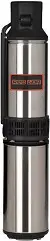
Red Lion Deep Well Pump
- Ideal for a well drilled at least 250" or greater
- Maximum flow GPM: 12
- AMPS: 6/230V

Wayne SWS100 Shallow Well Pump
- Ideal for a well less than 25" deep
- Maximum flow GPH: 385
- Dual voltage motor: 120V/240V
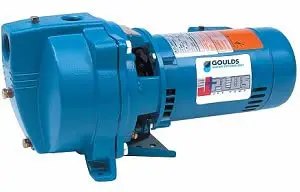
Goulds j10S Shallow Well Pump
- Ideal for a well up to 25" deep
- Max flow rate GPM: 24.8
- AMPS: 115/230V
Hallmark Industries Deep Well Submersible Pump
- Ideal for a well 150" or less
- Max flow rate GPM: 25
- AMPS: 110V

Little Giant Submersible Pump
- Ideal for a well 150" or deeper
- Max flow rate GPM: 20
- AMPS: 10.50V
Top 5 Submersible Well Pumps
We’ve reviewed each submersible well pump in more detail below to help you make the best decision on which product will solve your problem.
#1 Best for Rural Homes: Red Lion Deep Well Pump
If you live in or have a camp in a rural area, the Red Lion 14942402 Deep Well Pump is an ideal well system for reaching clean water.
This stainless steel well pump has a Franklin electric motor running on three wires at either .50 or 1 HP. The pump Red Lion is optimal for wells that are drilled with a four-inch or larger diameter and require deep well pumps.
The Red Lion well pump has a check valve that stops backflow and ensures there’s optimal pressure. This well pump works in well depths up to 250 feet and has a suction screen built-in. You’ll also find that it has a maximum water flow rate of 12 gallons per minute.
Product description:
- Dimensions: 24′ x 6′ x 5′
- Weight: 21.2 pounds
- Control box included
- The check valve ensures system pressure and prevents back flow
- Ideal for a well drilled at least 4″ or greater
Technical specs:
- This model comes with one built-in check valve and suction screen
- Pump shell is stainless steel
- Maximum flow GPM (gallons per minute): 22
- Amps: 6/230
Pros
- Smooth and reliable operation thanks to its 1 HP and 230 volts
- Can pump water from a water well up to 200 feet
- Debris and particles cannot go beyond the rubber bearings
- The motor is thermoplastic, which helps prevent overheating
- Straightforward installation and easy to use
Cons
- The purchase price is higher than competing pumps
- Repairs for these pumps are expensive
#2 Best Value: Wayne SWS100 Shallow Well Pump
With .50 horsepower, the submersible Wayne SWS50 well pump is built to last for years and is sufficient for home use.
While this is a submersible pump, keep in mind that it isn’t a deep well pump. It’s ideal for shallow wells that are 25 feet or less.
There’s a 30/50 pressure switch, and dual 120V/240V voltage included. The heavy duty cast iron construction on these submersible pumps ensures dependable and lasting performance. With its water flow rate of 375 gallons per hour, this water well pump also includes a dedicated self-priming port.
Product description:
- Dimensions: 22′ x 12′ x 11′
- Weight: 37.5 pounds
- The pump comes with a dedicated priming port to self prime
- Thermal-protected motor
Technical specs:
- Dual voltage motor: 120V/240V
- Maximum flow rate GPH: 385 at five feet
- Maximum flow GPH: 384 at 25″
- Pressure switch: 30 and 50 PSI
Pros
- Affordable pricing
- Cast iron body makes it durable
- Quick and easy pump installation
- Pump motor runs quietly
- Maximum efficiency from dual voltage motor
Cons
- This pump is not optimal for wells more than 25″ deep
- No switch for low suction operation inside this pump
#3 Best Overall: Goulds j10S Shallow Well Pump
Because the Goulds j10S Shallow Well Pump isn’t for a deep well, you’ll need to make sure the well isn’t deeper than 25 feet.
Its corrosion-free cast iron construction helps protect this submersible system from all elements. The motor power for these submersible pumps is 1 HP and can deliver 8.6 GPM. The water flow pressure rate is between 30 and 50 PSI. The pressure rate for the pump depends on the depth of your well.
You can wire this pump on either a 115V or 250V outlet. Because the motor operates at a 60 Hz frequency at 3,500 rpm, this submersible well pump is considered one of the quietest and most efficient on the market.
Product description:
- Dimensions: 18.75′ x 9.88′ x 8.75′
- Weight: 50 pounds
- Ideal for wells drilled up to 25″
- Includes pressure regulator
Technical specs:
- Max flow rate GPM: 24.8
- 30 and 50 PSI depending on well depth
- 1 HP motor
- Corrosion-resistant construction
Pros
- The shaft is stainless steel
- Operates on single-phase electric installations
- Sensor for overloading
- Features a built-in automatic shut-off
- The mechanical seal prevents dry-running
Cons
- Low-quality pressure switch
- Not as powerful as competing water pumps for wells
#4 Budget Option: Hallmark Industries Deep Well Submersible Pump
The Hallmark Industries ma0414x Deep Well Submersible Pump has 1 2 hp (.50) and has 110 volts. It’s stainless steel, and cast iron construction makes this deep well submersible pump durable and heavy-duty.
It’s possible to fit this water pump into well casings that are five inches or greater. The patented impeller allows for a maximum water flow rate of 25 GPM.
This type of pump for well is optimal for 150-foot depths or less. With its heavy-duty industrial-grade construction, it’s one of the best pumps on the market for residential use.
Product description:
- Dimensions: 29′ x 8.5′ x 5.5′
- Weight: 24.5 pounds
- Built-in control box
- Ideal for wells 150″ or larger
Technical specs:
- Max flow rate GPM: 25
- PSI set at 20/40 or 30/50 depending on well depth
- One-half horsepower motor
- AMPS: 100/130V
Pros
- High-quality cast iron and stainless steel construction
- Affordable pricing
- Includes installation tape and 10-inch electric cord
- The mechanic seal prevents overheating
- Easy to install
Cons
- Low-quality plastic check valve
- Not as durable as competing models CHECK PRICE
#5 Most Resistant: Little Giant Submersible Pump
The Little Giant Submersible Pump features a tubular construction and a removable check valve. With its maximum water flow rate of 20 GPM and .50 horsepower, this submersible well pump also has a rubber bearing to keep particles away.
This water pumps for well system is optimal for depths up to 150 feet. The thermoplastic motor brackets and discharge feature a non-corrosive material for lasting performance.
The stainless steel construction also helps prevent excessive wear while this well pump is in use. You Can find this home well pump system for under $300.
Product description:
- Dimensions: 7′ x 9′ x 7′
- Weight: 9.8 pounds
- Ideal for wells 150″ or deeper
- Stainless steel corrosion-resistant construction
Technical specs:
- Max flow rate GPM: 20
- AMPS: 10.50V
- The control box has two wires
- One half horsepower motor
Pros
- Low-power electric well pump
- No outside control box needed
- Thermal protection built-in to prevent overheating
- Quiet operation
- High-quality cast iron and stainless steel construction
Cons
- Some consumers believe the cord is too thin
- Others complain about the well pump not being durable enough
Submersible Well Pump Buyers Guide
How Does a Submersible Well Pump System Work?
Submersible well pumps are designed with stainless steel, cast iron, or both to operate underground using .50 or 1 HP motors. The only time submersible pumps work is when it is completely submerged in water. Submersible pumps work differently compared to above-ground well pumps.
For example, above-ground well pumps pull water from the ground. A deep well submersible pump works by pushing water to the ground’s surface.
Most submersible water well pumps are approximately the size of a standard baseball bat. Once a well is drilled, the submersible well pump is attached to plastic piping. Then, the submersible pump is lowered through the well casing until it reaches the water.
A well water pump has a motor that runs an impeller, which is a rotor that increases the water’s pressure and flow. After turning on the pressure switch, that’s when the impeller begins drawing water up through the well submersible well pump and to the ground’s surface.
The majority of surface well pumps can only work with wells that are up to 25 feet. If you have a sophisticated jet pump, they can reach approximately 120 feet. However, a submersible pump allows you to drill a well up to 400 feet deep. Submersible well water pumps deliver water to the ground’s surface just as easily as when you turn the water on at the faucet.
Types of Well Pump Systems
There are many different well pumps you can choose from, including those that work best for shallow or deep wells. Before getting into the types of pumps, let’s look at the depths you’ll need for each water pump first.
- Deep well: If your well depth is between 25 and 110 feet deep, a submersible deep well pump is the best option.
- Shallow well: If your well depth is less than 25 feet, then it’s recommended to use a shallow well pump.
Submersible vs. Jet Pump
The only time a submersible pump works is if you submerge it completely into the water. It has a cylindrical shape constructed from stainless steel, cast iron or both that allows you to lower it into the well’s casing. The bottom of submersible pumps come with a sealed motor that connects to an above-ground power source. The pump drives water up a pipe using a motor that runs several impellers. After the pressure switch turns on at the pressure tank, water pushes upward through plumbing and into a storage tank as the impellers spin.
Before jet pumps can work, you must fill it with water first. When using suction, a shallow well jet pump draws water up after it’s mounted above your well. It can use either a centrifugal pump or impeller to create pressure. Once the water leaves the jet pump, a vacuum is included to draw up additional water from your well. When that water combines with the water you put into the pump, that helps it push water into your residence at a higher pressure.
2 Wire vs. 3 Wire Submersible Well Pumps
If you have 2 wire pumps, that means the pump doesn’t require a control box. All the components you need to run this pump are built-in the pump housing or motor. That means a 2 wire well pump is easier to install because you don’t have to find a place for the control box. However, if anything goes wrong with these pumps, you have to pull the entire motor.
A 3 wire pump system uses an external control box that mounts to an above-ground well. Choosing these types of well pump systems provide a means for you to have easier access to parts for repairs or replacement. Compared to a 2 wire system that needs the entire motor replaced if it fails, you can replace what is failing in a 3 wire system.
Hand Pump vs. Powered
Hand pumps, which you might see as lift pumps, use the manual operation to pump well water to the surface. Using this pump means you are pulling water from a cylinder that is below the well’s water. Each cylinder contains a valve and piston. Using a handle that’s above the ground’s surface, the pump connects using a series of rods to the piston. The piston pumps water through pipes each time the handle lifts up and down. These pumps are found on homesteading properties, as well as in rural home settings where there isn’t a city or town water system.
Even though a hand pump doesn’t cost as much to operate as a powered pump, powered submersible pumps are more convenient to run. Most hand pumps won’t work in deep wells, but a powered pump can achieve this goal. If you need to get well water from deep wells, then a powered submersible well pump is the best solution.
Factors to Consider Before Buying a Pump
- For clean water: Some pumps only work for pumping clean or fresh water, like from a rain barrel or collection tank. If you want a pump for drinking water, make sure it’s designed for that.
- For dirty water: This kind of submersible well pump is optimal for water that contains a lot of grains or sediment. If the water table or the household water supply is dirty, then the pump may need to come with a screen or filter.
- Max discharge head: When you see a pump with a maximum discharge head, that means it is telling you the height at which water can move from a lower to a higher location. For example, if you need to pump water from a deep well, make sure the pump has a high discharge head.
- Discharge rate: The discharge rate for a pump indicates the amount of water it can move per minute or hour. The GPM or GPH indicates the power level for the pump.
- Float switch: Choosing a submersible well pump means you must also look for a float switch. That switch is what the pump uses to turn on or off, depending on the water level. For example, if there’s no more water in the pump, the float switch turns it off.
How to Size your Pump
- For clean water: Some pumps only work for pumping clean or fresh water, like from a rain barrel or collection tank. If you want a pump for drinking water, make sure it’s designed for that.
- For dirty water: This kind of submersible well pump is optimal for water that contains a lot of grains or sediment. If the water table or the household water supply is dirty, then the pump may need to come with a screen or filter.
- Max discharge head: When you see a pump with a maximum discharge head, that means it is telling you the height at which water can move from a lower to a higher location. For example, if you need to pump water from a deep well, make sure the pump has a high discharge head.
- Discharge rate: The discharge rate for a pump indicates the amount of water it can move per minute or hour. The GPM or GPH indicates the power level for the pump.
- Float switch: Choosing a submersible well pump means you must also look for a float switch. That switch is what the pump uses to turn on or off, depending on the water level. For example, if there’s no more water in the pump, the float switch turns it off.
How to clean and maintain your pump
The best way to make sure your well pump is working as it should and for a long time is by keeping it clean and well-maintained. Otherwise, you might find that your home won’t have running water. The first step you must take to make sure the system doesn’t break down is to keep the cooling fans clean. If you don’t keep the cooling fans clean, that could result in long-term damage. If anything gets caught in the fan, like cobwebs or debris, remove it immediately.
Use anti-corrosion products to make sure the pump is working effectively without build-up occurring. Next, check to make sure the water system isn’t dripping anywhere. If you see drips, that could be a red flag that you need to replace parts. Contact a professional contractor to identify the cause and determine the best solution.
Make sure your pump receives serving at least once every three years by a professional. They’ll inspect it for efficiency, as well as if any parts need repair or replacement. On average, your system should last at least 10 years. However, submersible systems can last up to 25 years. Make sure the pump has the services, repairs, and replacement parts before determining if it’s necessary for a replacement.
Steps for maintenance:
- Inspections: Complete inspections of the pump’s performance, which includes monitoring its pumping performance, gallons per hour or minute, and pumping levels after the pump is turned on. Make sure the well head has a sanitary seal and that all the internal parts are running optimally.
- Flow Testing: Perform a flow test to ensure the system’s output is effective and running optimally. If your test results aren’t within the optimal range, that could be a red flag signifying issues with the system.
- Water Testing: At least once annually, test the pump’s water for harmful contaminants. You can have a complete water profile report completed, or by using BART (Biological Activity Reaction Test) testing.
Conclusion
When choosing a pump that’s ideal for your well, you’ll notice that some have 10 GPM, 12 GPM, or 33 GPM, as well as up to 60 PSI. All new pumps have warranties that range from a five year warranty and up depending on the pump’s manufacturer. Finding the best unit means making sure it’s made for your well depth, as well as household needs.
Our overall best pick is the Goulds j10S Shallow Well Pump because of its quietness and efficiency. The next two runners up include the Red Lion Deep Well Pumping System for its rural applications and the Hallmark Industries Deep Well Submersible Pump for its affordability.
Check out the Goulds j10S Shallow Well Pump by clicking here.

AUTHOR
David Trinh
David is an expert in all things plumbing, heating, cooling, and water treatment. He got his start in the plumbing business working on fixing all types of home improvement issues including water leaks, broken toilets, appliance installation, and more. Over time, he learned a ton about installing and choosing the correct water treatment products for homeowners.