Filteredwaterguide.com is supported by readers. If you purchase through referral links on our site, we make a commission at no extra cost to you. Learn more.
Home » Water Filtration Systems » Best Acid Neutralizer for Well Water
So, you have acidic water (has a pH < 7) and you’re determined to do something about it.
That’s great and it’s even better that you are looking for an acid neutralizer (sometimes called a pH neutralizer) to help solve your tap water’s low pH problems.
I am very aware of the issues that acidic-leaning water can cause after having to balance the water in swimming pools for over 26-years that were often supplied by wells.
In this article, I will go over in more detail how to select the best acid neutralizer for well water.
This includes discussing the pros and cons of some of the best models available and teaching what traits to concentrate on when shopping for a pH neutralizer.
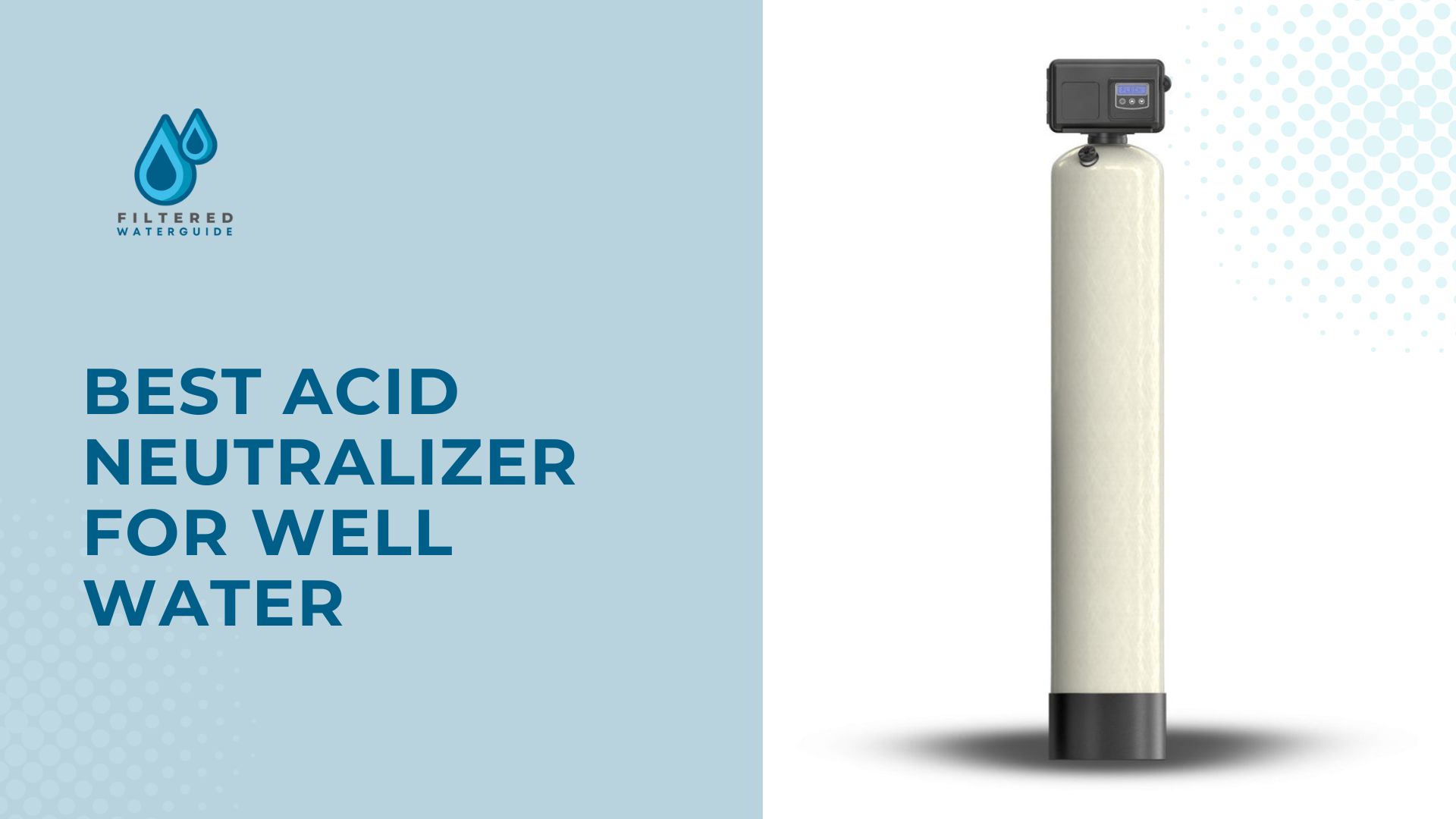


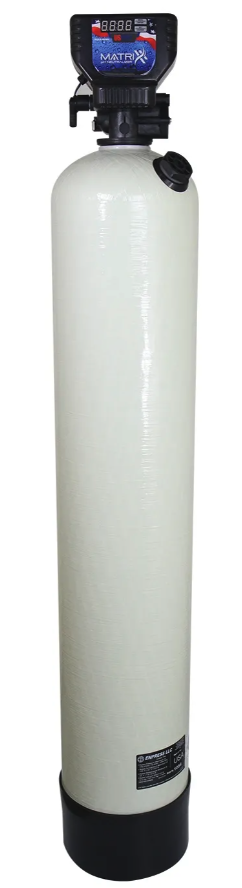
Buying a whole house acid neutralizer is not as simple as you might think. That’s because there are some characteristics which you should concentrate on more than others when you go to purchase one.
Of course, just like with any item that you are shopping for, your acid neutralizer purchasing budget will inevitably influence your purchasing decision.
As far as the price of these low pH correction systems goes you will find that most are within a few hundred dollars of each other. This usually equates to your purchasing decision being more dependent on the other characteristics of acid neutralizers on this list.
Before you start shopping for an acid neutralizer, you will want to test your well water to determine its pH level using a water test kit. This is important for several reasons.
The most important of which is that all acid neutralizers are not impactful at all pH levels.
These are two very important characteristics of acid neutralizers. They are so important that each one will be discussed in much greater detail later on in this article.
The pH level of your well water is used to determine which of these traits your pH neutralizer should have. That’s why it’s so important to know your water supply’s pH reading before you start shopping for a whole house acid neutralizer.
Knowing an acid neutralizing device’s stated flow rate is important when it comes to choosing the right one for you. This is usually clearly stated by the manufacturer on the product’s description or packaging.
The bigger your home, the higher the flow rate you will need it so your home’s overall water pressure is not impacted.
There is not much difference installation-wise no matter what type of pH neutralizer you purchase. Most need to be professionally installed because they will have to be connected to the water line that comes into your home from your well.
You also want to be aware of how easy a system is to operate and what types of steps are required to maintain it.
If an acid-neutralizing system comes with a money-back guarantee or a long warranty, it will give you more confidence when purchasing it.
Here is what I have determined to be the top acid neutralizers that are available based on my analysis of them, how user’s rate them, and other manufacturer-supplied information.


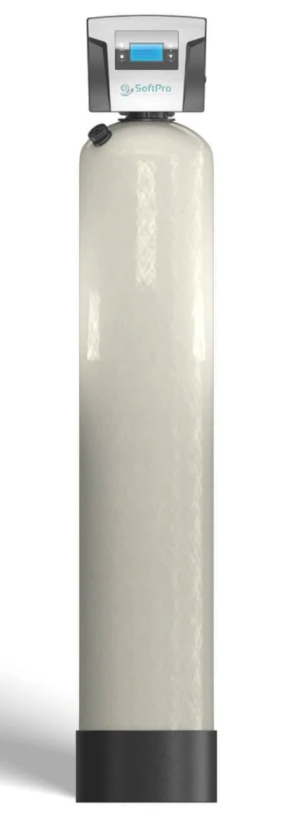
There are many reasons why I chose this acidic well water neutralizing system as #1. It has all of the qualities that you want in one.
That includes a generous water flow, easy setup, durable construction, and best of all it simply works well when it comes to increasing your well-supplied water’s pH.
It features an auto-backwashing setting that can be controlled through the use of its Bluetooth-enabled control head. This system can be used in small to medium-size homes and the manufacturer very nicely stands behind it.
All of this adds up to why it’s my choice as the best acid neutralizer for well water.

This is an acid neutralizer calcite ph system that has some additional media in it that enables it to handle raising the pH of well water that’s as low as 5.5.
That makes it perfect to use in notable low pH areas of the country such as the Northeast where acid rain is known to wreak havoc on well water.
It has a programmable valve on it, can be purchased in 3 different sizes, and has a very generous flow rate with all of its models.
The manufacturer also backs this up acidic water treatment product with a satisfaction guarantee, a good warranty and they even throw in free shipping on the purchase.
This is another backwashing type acid neutralizer that has many nice features. Among these are a programmable control valve, the use of combination calcite and magnesium oxide media (Corosex), and a price that is lower than many similar types of pH neutralizers.
It comes in two different sizes and the biggest one can handle acidic water that tests out at a pH between 5.5 to 6.9 in even larger size homes.
This model acid neutralizer also includes free shipping and is durable thanks to its non-corrosive, fiber-reinforced polymer construction.

This is an interesting backwashing style pH Neutralizer because it has some versatility to it.
It can be used to raise pH levels of incoming well water that test out as low as a pH of 5.0. This is a lower pH level than most calcite/Corosex combination acid neutralizers can treat.
It also features Bluetooth capability to use along with its provided app and a generous 20 GPM water flow on its larger of the two sizes that it’s available in. It has a durable exterior shell and all of its components have NSF and FDA approval.
Here are some facts about acidic water and acid neutralizers that will help you make an informed choice when you go to purchase one.

There are three types of water and a sample of water’s type is determined by what is known as its pH value.
So, what is pH?
It’s the measure of hydrogen ion activity in a sample of water. As you can see below a pH scale ranges from 0 to 14.
Water that has a pH value of 7 is said to be perfectly balanced. A sample of water that tests out to be greater than 7 in its pH value is said to be alkaline water. On the other end of the pH scale is water that has a pH value that’s less than 7. That type of water is said to be acidic.
If your drinking water test says that you have a pH of less than 7, this means that you have acidic well water. So you will have to adjust it to the alkaline water side.
Learn more about this in our pH of water guide and our guide on how to raise pH in well water.

The biggest culprit when it comes to water being acidic is acid rain. Some natural factors cause rainwater to be acidic but unfortunately, pollution is mostly to blame.
Rainfall that comes to the ground with a pH of 5.5 or less is considered to be acid rain.
Trees, roots, and soil microbes can produce acids when they emit carbon dioxide, and water from runoffs near mines is also found to have lower pH levels most of the time.
Why should you take corrective action if your well water is found to have a low pH level?
That’s because acidic-leaning water can cause more problems than you might expect. Some of these include:
This significantly increases your water supply’s ‘metal toxicity’ level.
Drinking acidic water is also thought to hinder your body’s ability to retain important calcium, may cause gastrointestinal issues, and can impact children to a greater extent because of their growing body’s high contaminant absorption rate.
There are 3 types of media that acid-neutralizing devices can take advantage of raise the pH of your incoming water supply. These include:
Calcium carbonate is used in most acid neutralizers that work by means other than injection.
Matching the type of media used in your new acidic water neutralizer to your well water’s current pH level is critical when it comes to these systems making a significant impact on your tap water’s acid level.
Here are the two methods that a neutralizer for well water uses to raise pH:
In this type of acid neutralizer setup, water simply runs into a storage tank filled with either calcium carbonate or Corosex, and when that water contacts this media it increases its pH.
They also have a return side that enables the now less acidic well water to reenter your home’s water supply line.
There are two styles of pH neutralizers that take advantage of this method to increase your well-supplied water’s pH; they are:
These work great for well water that tests out to have a pH between 5.5 to 6.9 and there is a fair amount of iron and sediment present in that water.
The drawback to these is since they require periodic backwashing, they need a little more routine maintenance done to them.
Upflow acid neutralizers work great for well water that tests out to have a pH between 5.5 to 6.9 but is fairly clear (no iron and sediment present).
They are appealing because they require very little maintenance. They use uniquely designed vortex plates to create consistent flow through them.
These work a little differently than direct media contact pH neutralizers because incoming well water does not flow directly through them.
Instead, they use an injection port tapped into the incoming water line to add their pH-increasing chemical solution in their storage tanks.
This is the recommended type of acidic water neutralizing device that you want to install if your well water tests out to have a pH of 5.5 or less.
Devices that are made to neutralize acidic-leaning well water do not require very much maintenance. The acid-neutralizing systems that require the most maintenance are those that need periodic backwashing. This generally takes place around once a week.
Even this function is done automatically by the system itself in most instances. Other than backwashing, pH neutralizer maintenance will most likely only consist of changing out its media around once per year.
Here are some questions about acid neutralizers that I get very often:
The answer to this question is yes (with an asterisk) for pH neutralizers that use calcite or calcite combination media. This is because these use calcium carbonate to help balance tap water pH and calcium is a substance that will cause tap water to become harder.
It comes down to the question of will a calcite pH filter cause water to become so hard that a water softener also needs to be installed?
Well water that is sourced from a nearby reservoir or other surface body of water is typically not very hard so this will probably not be the case.
You may need a calcium carbonate neutralizer working in conjunction with a water softener if your well water source is fed strictly by groundwater. In this case, you would probably need a water softener regardless of whether you have a pH neutralizer installed or not.
Yes, an acid neutralizer removes some iron. Some iron will get trapped in an acidic water neutralizer and then get washed out during its backwash cycle.
It’s hard to say exactly how effective they are at removing iron and that’s why severe iron in well water issues should be remedied with a true iron filter.
Many times, acid neutralizers will not even remove enough iron to do such things as preventing white laundry items from becoming stained.
Here is a question that actually has more than 1 answer. The reason for this is because some types of acid neutralizers do not need backwashing to keep them working efficiently.
Those calcium carbonate neutralizers that do require backwashing are often set to do this task automatically around once a week. That is a reasonable timeframe for acid neutralizers that need to be manually backwashed too.
Also, worth noting is the PSI on your acid neutralizers attached water pressure gauge after it has been backwashed. That PSI reading should be close to your pH neutralizer’s ideal working range.
When the PSI on your acid neutralizer’s gauge drops 5 PSI or more from this ideal operating range, then it’s also time to backwash your low tap water pH correction device.
Keep in mind that you do not want to backwash an acid neutralizer unless it’s necessary because this process causes significant amounts of wastewater.
It would not be uncommon to have a pH neutralizer that works well and lasts for 10 or more years. That’s because they are usually made using sturdy Polycarbonate plastics that are tough to dent and crack and do not easily wear out either.
The main consideration here is that the media that’s used in acid neutralizers will have to be replaced several times over its useful life as was previously mentioned.
Although the initial cost to install an acid neutralizer on the incoming water line from your well can be high, if you are like most people you will find doing this to be well worth the price.
That’s because acidic-leaning well water can cause damage to your plumbing pipes, impact the taste of the beverages you drink, and cause adverse health problems.
The best acid neutralizer for well water will last a long time, need very little maintenance, and can be programmed to simplify its operation.
So, if you can fit one of these into your budget (some manufacturers on our list offer installment plans), you will come to find they are very much worth the money you spend to correct the low pH level of your well water.

15657 N Hayden Rd #1162
Scottsdale, AZ 85260
United States
602-780-2598
© Filtered Water Guide
Filtered Water Guide is a participant in the Amazon Services LLC Associates Program and other partner programs, which are affiliate advertising programs designed to provide a means for sites to earn advertising fees by referring users to merchant stores.