Filteredwaterguide.com is supported by readers. If you purchase through referral links on our site, we make a commission at no extra cost to you. Learn more.

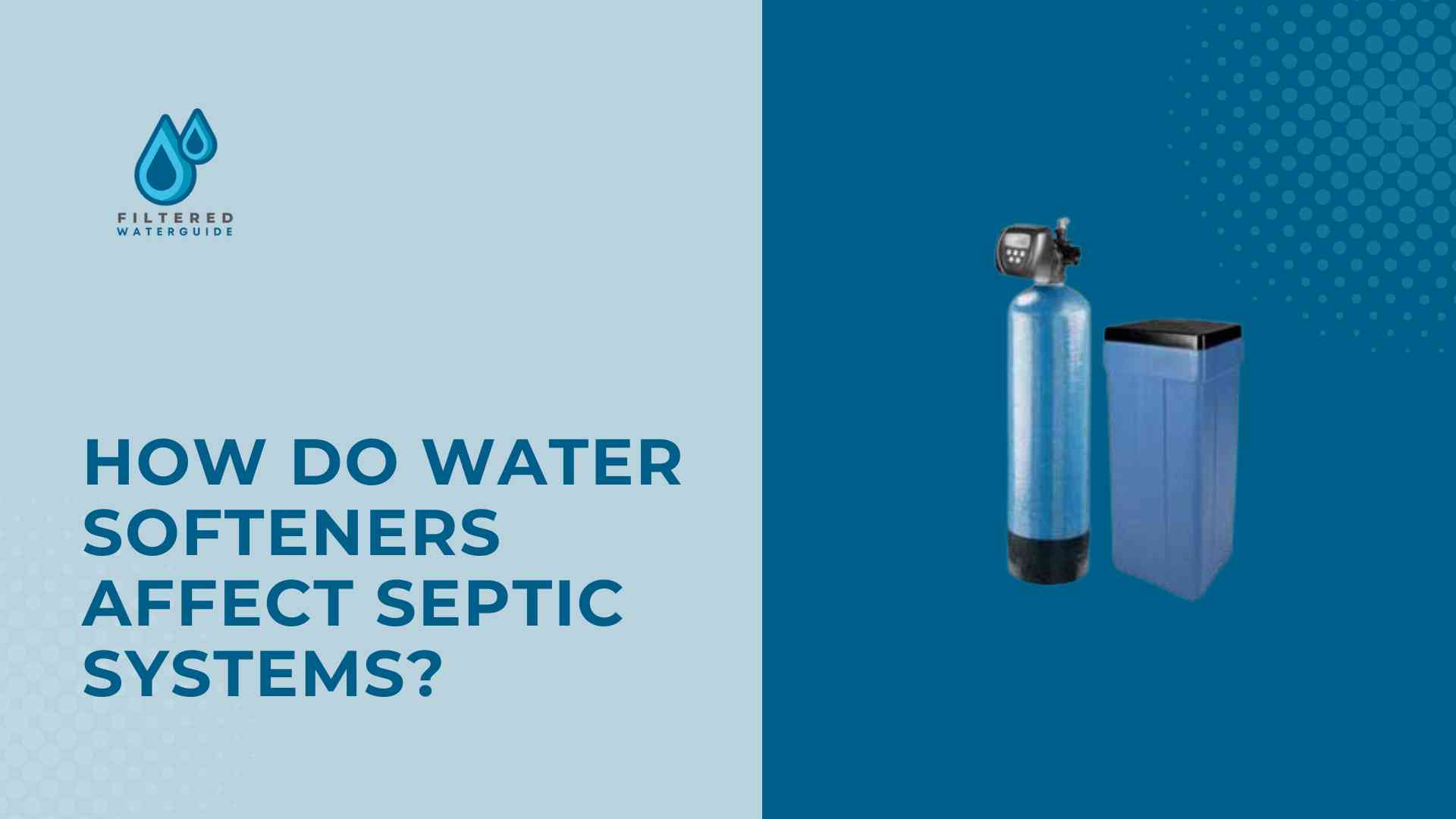
How Do Water Softeners Affect Septic Systems?

Water softeners and septic systems are both essential components of many households. But how do they interact? 


This article delves into the relationship between water softeners and septic systems, shedding light on common misconceptions and providing clarity on their compatibility.

Key Takeaways:

Quick Answer: Yes, water softeners can be used with septic systems. In fact, they can even enhance the efficiency of your septic system when chosen and maintained correctly.


Let’s take a closer look.

How Water Softeners Work

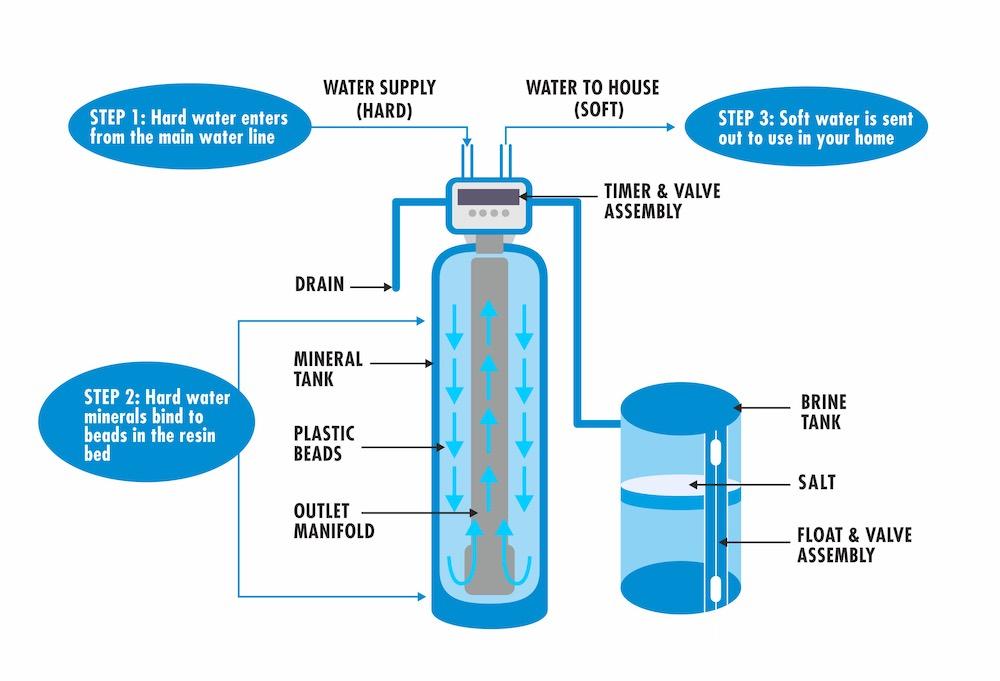
Water softeners are designed to combat the challenges posed by hard water. Hard water contains high concentrations of minerals like calcium and magnesium, which can lead to various household problems, from scale buildup in pipes and appliances to reduced soap lathering and skin irritations. 


Here’s a breakdown of how water softeners address these issues:

Ion Exchange Process

The core of a water softener’s functionality lies in the ion exchange process. Here’s how it works:

Regeneration Cycle

Over time, the resin beads become saturated with calcium and magnesium ions and need to be “recharged” or regenerated. This is achieved through the regeneration cycle:

Types of Water Softeners

While the ion exchange process is standard, there are different types of water softeners available:

Benefits of Softened Water

Using a water softener offers several advantages:

Understanding the mechanics behind water softeners can help homeowners make informed decisions about their water treatment needs and the type of softener that’s right for them.

How Septic Systems Work

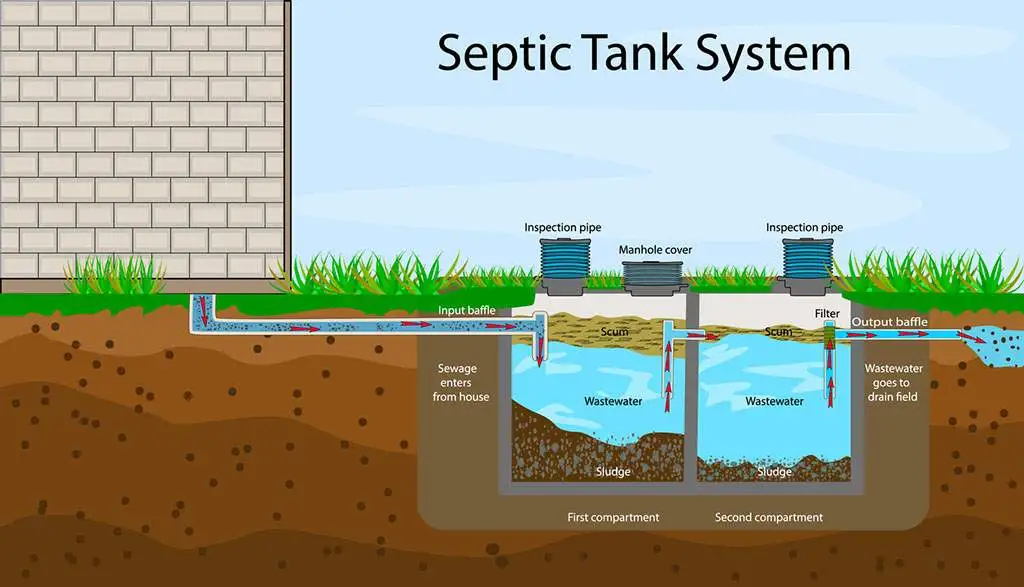
Septic systems are underground wastewater treatment structures commonly used in areas without centralized sewer systems. They effectively treat and dispose of household wastewater on-site. Here’s a detailed look at how these systems function:

Components of a Septic System

A typical septic system consists of two main components:

The Treatment Process

Soil-Based Systems

These are the most common types of septic systems. They include a septic tank leading to a drainfield where the wastewater is treated and absorbed by the ground. The size and type of drainfield depend on the amount of wastewater to be treated and the soil’s ability to absorb water.

Alternative Systems

Due to soil or site conditions, traditional septic systems might not always be feasible. In such cases, alternative systems like mound systems, sand filters, or aerated systems might be used. These systems provide additional treatment or distribute wastewater more effectively.

Maintenance and Care

Regular maintenance is crucial for the longevity and efficiency of a septic system:

Homeowners must understand the intricacies of septic systems, especially regarding maintenance and care. Properly functioning septic systems are vital for environmental health, preventing contamination of nearby water sources.

Why A Water Softener Can Help A Septic System Function Better

Water softeners can play a pivotal role in enhancing the efficiency of a septic system. Here’s how:

The Potential Negative Effects Of Water Softeners On Septic System

While water softeners are beneficial for treating hard water, they can pose challenges to septic systems. Here are some potential concerns and mitigation strategies:

Awareness of these potential issues can guide homeowners in making informed decisions about their water treatment and wastewater disposal systems.

How To Use A Water Softener Safely With A Septic Tank (Solutions)

Using a water softener in conjunction with a septic tank requires careful consideration to ensure the longevity and efficiency of both systems. 


First and foremost, it’s essential to choose a high-efficiency water softener that uses minimal salt and water during its regeneration cycles, reducing the potential strain on the septic system. Regular maintenance checks for both the softener and the septic tank can help detect and address any issues before they escalate. It’s also advisable to set the softener to regenerate based on actual water usage rather than a fixed schedule, ensuring that the septic system isn’t overwhelmed with high volumes of water at once. 


Additionally, homeowners should avoid disposing of non-biodegradable items or harsh chemicals down the drain, as these can disrupt the natural breakdown process within the septic tank. By taking these precautions and staying informed, one can safely enjoy the benefits of softened water without compromising the health of their septic system.

Conclusion

Water softeners and septic systems can coexist harmoniously. With the right choice of water softener and regular maintenance, homeowners can enjoy the benefits of soft water without compromising the efficiency of their septic system.

FAQs

No, it’s not inherently bad to have a water softener with a septic system. However, it’s essential to ensure that both systems are correctly sized, maintained, and operated to prevent any potential issues. Regular maintenance and using a high-efficiency water softener can help ensure that both systems work harmoniously.

Salt water softeners are not inherently bad for septic systems. However, the salt-laden brine discharged during the regeneration cycle can potentially affect the septic system’s efficiency if not managed correctly. It’s crucial to choose a high-efficiency softener that uses minimal salt and to ensure that the septic system is well-maintained to handle the salt discharge.

The amount of water a water softener discharges during its regeneration cycle varies based on the unit’s size and efficiency. On average, a typical water softener might discharge between 50 to 150 gallons of water per regeneration. It’s essential to refer to the manufacturer’s specifications for precise figures for a specific model.

A properly installed and maintained water softener should not cause plumbing issues. In fact, by softening the water and preventing scale buildup, water softeners can enhance the lifespan and efficiency of plumbing fixtures and appliances. However, if a water softener malfunctions or is not set up correctly, it could lead to issues like water pressure drops or leaks. Regular maintenance and inspections can help prevent such problems.

AUTHOR

Craig Smith

Craig got his start in water working in the swimming pool and spa industry. Water treatment would grow into his main career but he ended up working in the pool industry for over 26 years where much of his time was spent balancing the water in customer’s swimming pools and installing water filtration equipment. Craig offers an abundance of water treatment knowledge after helping homeowners get pure water for 26 years.

© Filtered Water Guide

Filtered Water Guide is a participant in the Amazon Services LLC Associates Program and other partner programs, which are affiliate advertising programs designed to provide a means for sites to earn advertising fees by referring users to merchant stores.